
Recognizing Signs of Retaining Wall Failure
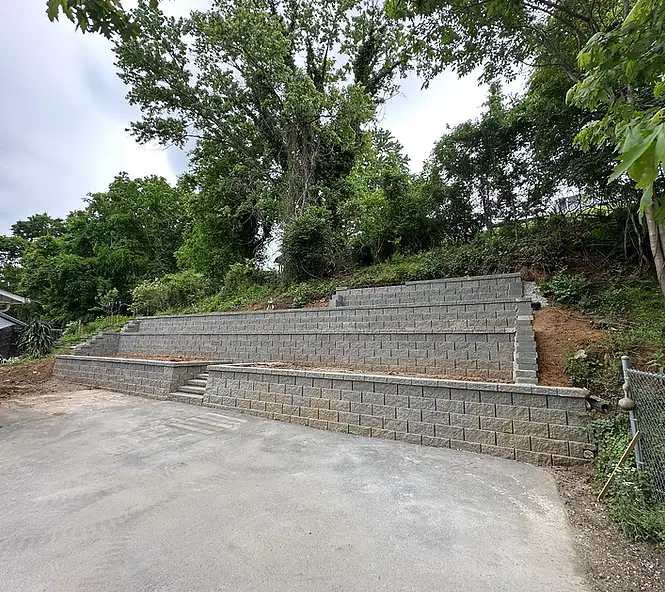
If you live in Middle Tennessee, you already know that our beautiful rolling hills and scenic landscapes come with a few unique challenges for homeowners. Managing the slope of your yard is one of them. Retaining walls are incredibly common in the Nashville area because they do the heavy lifting of holding back soil, preventing erosion, and creating usable, flat spaces for outdoor living.
However, these structures aren't immune to the elements. Over time, hydrostatic pressure, heavy rainfall, and shifting soils can take a toll. Recognizing the early signs of retaining wall failure can save you from a catastrophic collapse, preventing extensive property damage and costly emergency landscaping repair bills down the road.
Whether you are wondering about the difference between landscaping and hardscaping or you are actively looking for reliable landscaping companies to assess your property, understanding what is happening in your own backyard is the first step. Let's explore the common causes of retaining wall structural damage, how to spot the warning signs, and what you can do to protect your investment.
Understanding the Causes of Retaining Wall Structural Damage
Before we look at the symptoms, it helps to understand the underlying illness. What causes retaining wall structural damage in the first place? In most cases, the culprit is water.
When it rains, soil absorbs water and expands. This creates immense hydrostatic pressure against the back of your retaining wall. If the wall was built without proper drainage—such as weep holes, drainage pipes, or a gravel backfill—that water has nowhere to go. The pressure continues to build until the materials simply give way.
Another frequent issue we see is improper initial construction. Some retaining walls are built without a deep enough footing or trench, meaning the foundation is easily compromised by freeze-thaw cycles or natural soil settling. In our region, the heavy clay soils are notorious for expanding and contracting, which puts even more stress on outdoor structures.
Finally, the use of subpar materials or a lack of reinforcement (like geogrid in taller walls) can lead to premature failure. This is why choosing a licensed, professional contractor for your hardscaping solutions is so critical. A wall built right the first time will account for local soil conditions, sustainable drainage requirements, and the sheer weight of the earth it needs to hold.

Key Signs of Retaining Wall Failure
How can you tell if your retaining wall is struggling to hold back the earth? There are a few visual cues that y'all should watch out for during your routine yard maintenance.
1. Bowing or Bulging
This is often the most obvious red flag. If you look down the length of your wall and notice that it is no longer straight, but rather curving outward in the middle, you have a serious problem. Bowing indicates that the hydrostatic pressure behind the wall has exceeded the wall's structural capacity.
2. Leaning or Tilting
While bowing happens in the middle of the wall, leaning affects the entire structure. If the top of your retaining wall is tilting forward away from the soil, the foundation may be failing. This often happens when the base was not buried deep enough or the footing has washed away due to poor drainage.
3. Cracking and Crumbling
Small hairline cracks in concrete or masonry might just be natural settling, but large, widening cracks are a major warning sign. If you see blocks separating, mortar crumbling away, or stones being pushed out of place, the structural integrity of the wall is severely compromised.
4. Poor Drainage and Pooling Water
If you notice water pooling at the base of your retaining wall after a rainstorm, or water pouring over the top of the wall instead of draining through the designated weep holes, your drainage system has likely failed or become clogged. This excess moisture will quickly accelerate the deterioration of the wall.
How to Fix a Bowing Retaining Wall
If you have noticed any of these warning signs, you are probably wondering how to fix a bowing retaining wall. The solution largely depends on the severity of the damage and the height of the wall.
For minor leaning or localized damage, it might be possible to excavate the soil behind the wall, correct the drainage issues by installing fresh gravel and perforated pipes, and reinforce the existing structure. This type of landscaping repair can save the wall if caught early enough.
However, if the wall is significantly bowed, cracked, or leaning, a total replacement is usually the safest and most cost-effective route in the long run. Trying to patch a severely failing wall is often just throwing money at a temporary fix.
At Holmes Hardscapes, our process for tackling a failing wall begins with a thorough consultation to assess the root cause of the damage. We believe in transparent pricing and will provide a detailed estimate within 2-5 days. If a replacement is needed, we can even provide 3D rendering services to show you exactly how the new, structurally sound wall will look and integrate with your existing outdoor spaces.
Don't wait for a heavy rainstorm to wash your yard away. If you suspect your wall is failing, it is time to call in the professionals. We specialize in building durable, beautiful retaining walls designed to withstand the unique demands of the Nashville climate. Get in touch with us through our contact us page today to schedule your consultation and keep your property safe, beautiful, and secure.