
A Seamless Blend: How to Combine Artificial Turf with Natural Garden Beds
If you have spent any time trying to keep a lawn looking pristine through a Nashville summer, you know exactly how challenging our transition zone climate can be. Between the hot, dry stretches of July and the heavy seasonal rains that turn our local red clay into a muddy mess, maintaining a perfect yard often feels like a grueling full-time job. For many homeowners, the constant battle with seasonal fluctuations leads to frustration, dead patches of grass, and an outdoor space that is difficult to enjoy year-round.
Fortunately, modern landscaping offers an elegant solution that is rapidly gaining popularity: integrating synthetic grass with living, breathing plant life. When executed properly, this approach provides the lush, green aesthetic of a meticulously kept lawn without the endless weekend chores.
Learning how to combine artificial turf with natural garden beds allows you to enjoy the best of both worlds. You gain a highly functional, evergreen foundation while still experiencing the seasonal blooms and ecological benefits of a traditional garden. In this guide, we will explore how to harmoniously blend these elements to create a stunning, low-maintenance outdoor oasis that enhances your property's value and your everyday life.
The Best of Both Worlds: Functionality Meets Natural Beauty
One of the primary reasons homeowners seek a garden renovation is to reclaim their time. Traditional lawns demand continuous mowing, watering, aerating, and fertilizing. By swapping out temperamental natural grass for a premium synthetic alternative in your highest-traffic areas, you drastically reduce your yard's upkeep. However, relying entirely on synthetic materials can sometimes make a yard feel slightly sterile. That is exactly why pairing it with natural garden borders is so effective.
This hybrid approach is particularly beneficial for families and pet owners. A pet friendly backyard artificial turf installation means no more muddy paws tracking dirt through the house after a heavy rainstorm. The turf provides a durable, clean play area that stands up to heavy use, while the surrounding natural garden beds offer sensory enrichment and natural beauty.
Furthermore, this strategy is an excellent way to address common yard drainage issues. Our local soil often struggles to absorb heavy rainfall, leading to standing water and erosion. By properly preparing the ground beneath the synthetic grass and incorporating thoughtful drainage solutions around your garden beds, you can redirect water away from your home's foundation and keep your outdoor living space dry and usable regardless of the weather.
Designing for Middle Tennessee's Unique Terrain
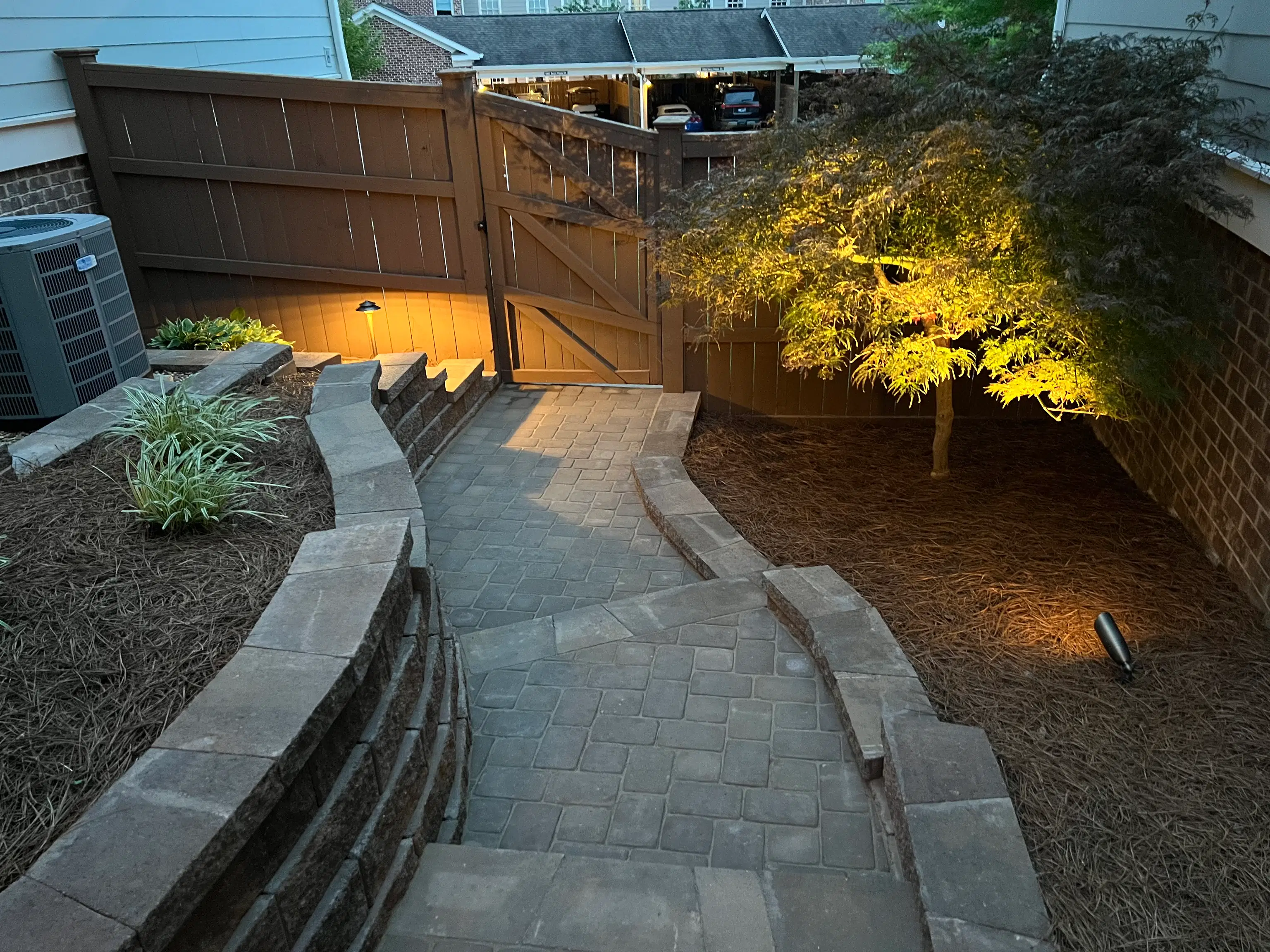
Creating a cohesive landscape design requires careful planning, especially when working with the rolling hills and underlying limestone bedrock that define many local properties. The transition between your synthetic lawn and natural planting areas must look intentional and fluid, rather than like an afterthought.
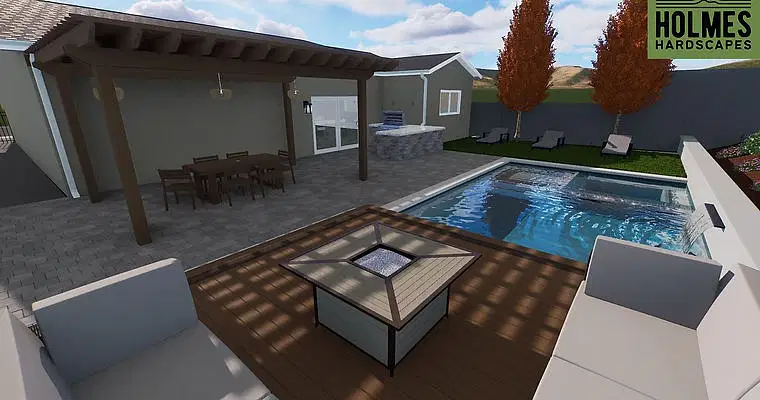
At Holmes Hardscapes, our process for significant backyard investments begins with a comprehensive consultation to understand your vision. We know that getting the integration right is crucial. To ensure the new artificial turf looks like a seamless, original part of your property, we often utilize a detailed 3D rendering during the design phase. This allows you to visualize exactly how the synthetic grass will flow into your natural stone retaining walls, paver patios, and garden beds before any construction begins.
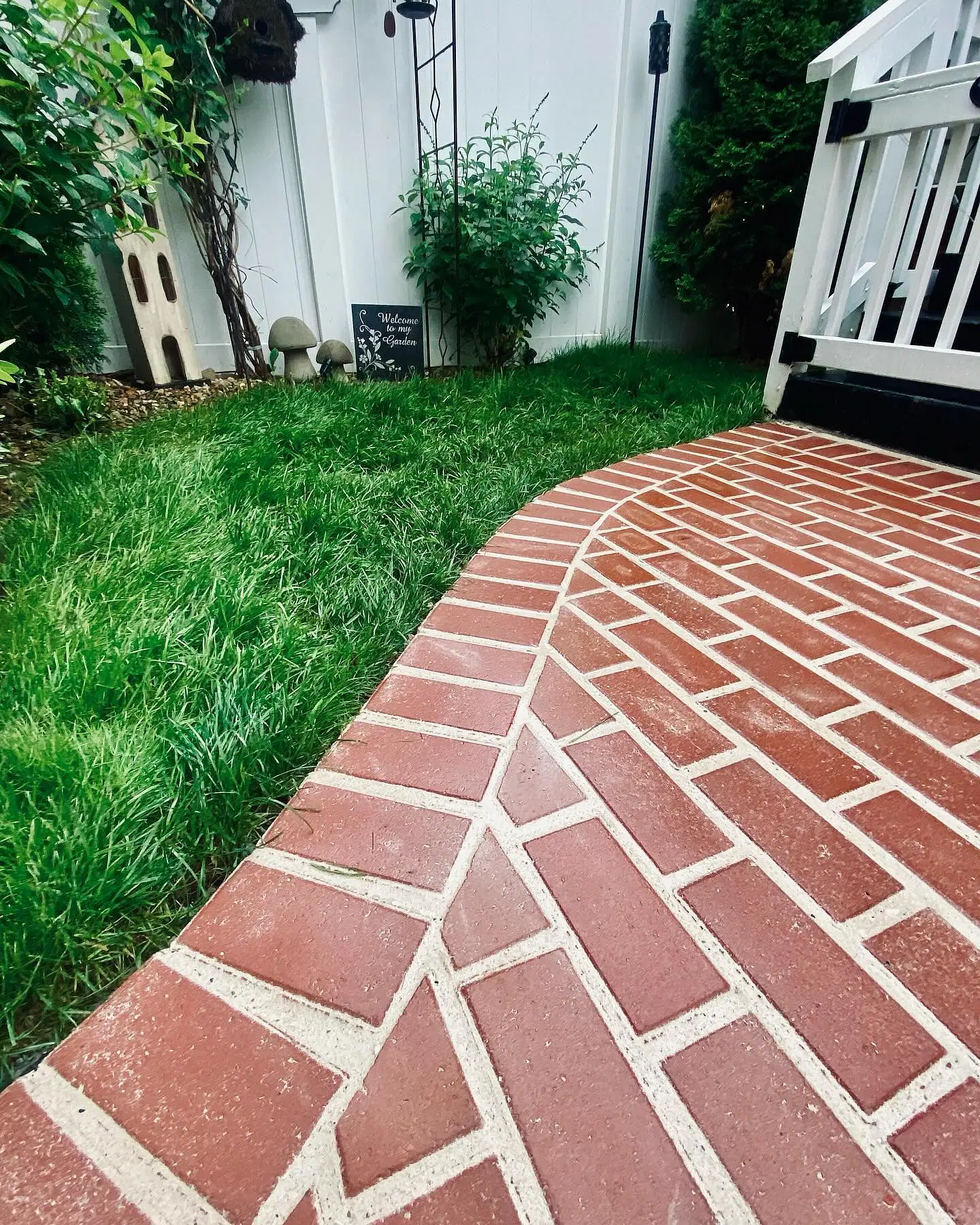
When designing the borders between the turf and the gardens, hardscaping elements act as the perfect mediator. Using a small natural stone wall, decorative cobblestones, or a steel landscape edging creates a crisp, defining line that prevents soil and mulch from spilling onto the grass. This clean separation is one of the most effective low maintenance artificial grass landscaping ideas, as it keeps your yard looking professionally manicured with virtually zero daily effort.
Selecting Native Plants for Your Garden Beds
To maximize the success and eco-friendliness of your natural garden beds, plant selection is key. While the synthetic grass provides the evergreen canvas, the plants you choose bring the space to life. The best approach is to utilize native plants that naturally thrive in our specific transition zone climate.
Native flora requires significantly less water, fertilizer, and chemical intervention than exotic species, making them the perfect companions for a low-maintenance yard. Plants such as Purple Coneflowers, Black-Eyed Susans, and Eastern Redbuds not only survive our hot summers and freezing winters but also provide vital habitats for local pollinators like bees and butterflies.
If you are looking to create a true backyard sanctuary, consider how the colors and textures of these natural plants will contrast with the vibrant green of your new lawn. The soft, organic shapes of native ornamental grasses and seasonal flowers perfectly balance the pristine, uniform look of the turf. By implementing these sustainable landscaping options, you create an environmentally conscious outdoor space that is both breathtaking and incredibly easy to manage.
Ready to Transform Your Outdoor Space?
Blending synthetic grass with living garden beds is an art that requires a deep understanding of landscape design, proper drainage techniques, and quality craftsmanship. When done right, it completely transforms how you use and enjoy your property, turning a stressful, chore-heavy yard into a permanent retreat for relaxation and entertainment.
If y'all are fixin' to upgrade your property with a beautiful, hassle-free landscape, the team at Holmes Hardscapes is here to help. Whether you live in Brentwood, Franklin, or the surrounding communities, we take pride in delivering top-tier workmanship and transparent, reliable service from the initial 3D design to the final walkthrough.
Ready to bring your vision to life? Explore our Landscape Design & Installation services, or reach out directly through our Contact Us page to schedule your initial consultation. Let's build a beautiful outdoor space you can enjoy for years to come—without the weekend yard work.